Hybrids Give Owners Fewer Problems Than Gas Cars, Consumer Reports Finds

Conventional hybrid vehicles have 15% fewer reported problems than gasoline-powered cars, based on a Consumer Reports reliability study published on December 4, 2025. The analysis covers approximately 380,000 vehicles. Fully electric vehicles and plug-in hybrids performed considerably worse, with roughly 80% more reported problems than gasoline models.
- 1stHow Much More Reliable Are Hybrids Than Gas Cars?
- 2ndWhy Do Conventional Hybrids Have Fewer Problems?
- 3rdWhich Hybrid Models Have the Best Reliability Records?
- 4thJ.D. Power Found Different Results in 2026
- 5thAre Hybrids More Reliable Over the Long Term?
- 6thShould You Buy a Hybrid for Better Reliability?
Conventional hybrids are now more reliable on average than gasoline-only vehicles, based on Consumer Reports data for the 2023 through 2025 model years. The results reflect averages across entire vehicle categories. Individual models can perform substantially better or worse than their category average.
How Much More Reliable Are Hybrids Than Gas Cars?
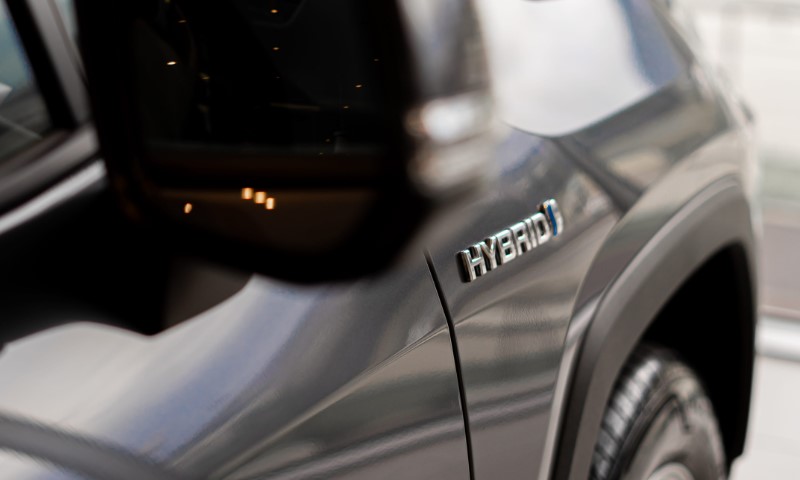
Consumer Reports compared owner-reported problems across different powertrain types. The results reveal substantial differences, especially among vehicles that require external battery power.
Vehicle Reliability by Powertrain Type
| Powertrain type | Difference vs. gas cars | Relative problem index |
| Gasoline vehicles | Baseline | 100 |
| Conventional hybrids (HEVs) | 15% fewer problems | 85 |
| EVs and plug-in hybrids | Approximately 80% more problems | About 180 |
Consumer Reports collects information about problems owners experienced during the previous 12 months. Its survey covers up to 20 potential problem areas, with more severe issues given greater weight in the reliability assessment.
The full dataset includes vehicles from model years 2000 through 2025, plus a limited number of early 2026 models. The powertrain comparison focuses on a narrower group of model years.
Why Do Conventional Hybrids Have Fewer Problems?
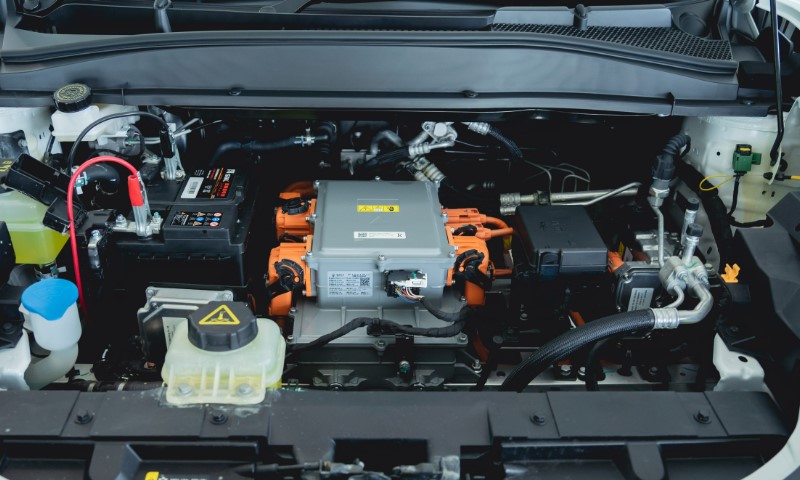
A conventional hybrid combines a gasoline engine with an electric motor. Its battery receives energy during normal vehicle operation, so owners never need to connect the car to an external charger.
The U.S. Department of Energy explains that regenerative brakes allow the electric motor to recover energy that would otherwise be lost as heat. The system can also reduce wear on conventional brake components.
Hybrid vehicles still contain additional electrical components, however. Their reliability depends on the specific powertrain design and its production history.
Toyota has developed hybrid powertrains for nearly three decades, with extensive experience across multiple vehicle generations. Honda also has a long history of hybrid production.
Jake Fisher, senior director of auto tests at Consumer Reports, has linked the strong reliability of conventional hybrids to mature technology. Many newer electric models still face problems associated with recently introduced vehicle designs.
Which Hybrid Models Have the Best Reliability Records?
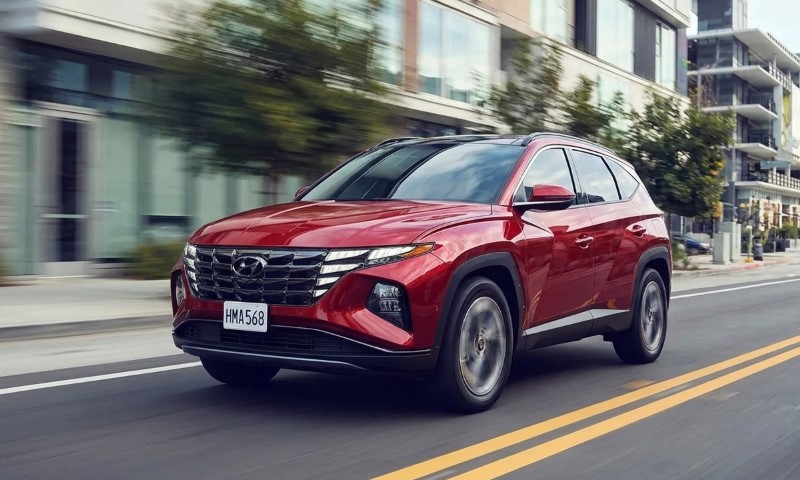
The latest Consumer Reports reliability rankings identify several hybrid models with strong results in their respective vehicle categories.
- Toyota Grand Highlander Hybrid: Among the most reliable large SUVs with three rows of seats.
- Kia Carnival Hybrid: Earned the highest reliability score in its vehicle category.
- Ford F-150 Hybrid: Recorded a substantial improvement over the previous survey.
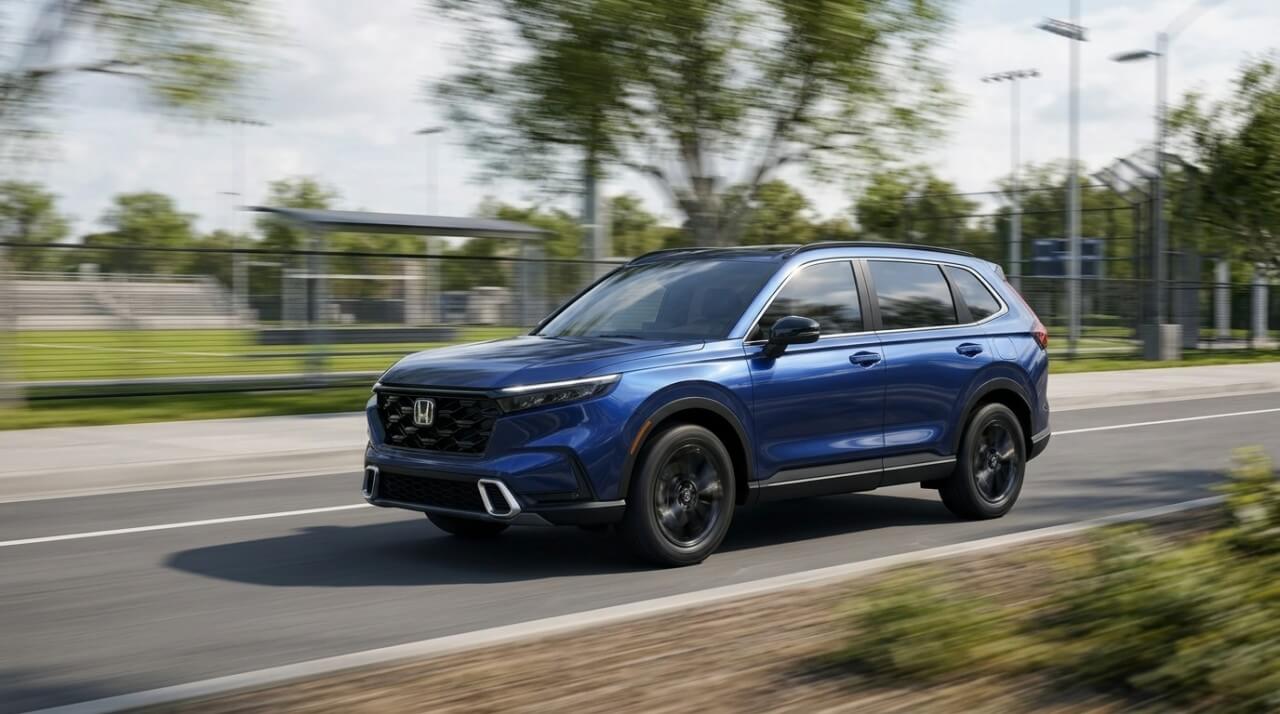
- Honda CR-V Hybrid: Scored near the top of the compact SUV category.
- Subaru Forester Hybrid: Ranked among the more reliable vehicles in its class.
A strong category average does not guarantee equally good results across every automaker.
The Hyundai Sonata Hybrid and Lincoln Nautilus Hybrid received below-average reliability scores. For buyers, the reliability record of a specific model is therefore more useful than the overall average for its powertrain type.
J.D. Power Found Different Results in 2026
Another major automotive research organization reached a different conclusion about hybrid reliability.
The 2026 J.D. Power Vehicle Dependability Study, released on February 12, 2026, found that gasoline-powered vehicles had fewer reported problems than conventional hybrids after three years of ownership.
The study measured problems per 100 vehicles (PP100):
- Gasoline vehicles: 198 problems.
- Conventional hybrids: 213 problems.
- Fully electric vehicles: 237 problems.
- Plug-in hybrids: 281 problems.
Under the J.D. Power methodology, conventional hybrids experienced approximately 7.6% more problems than gasoline vehicles.
Why do the results differ?
J.D. Power surveyed 33,268 original owners of 2023 model-year vehicles after three years of use. Consumer Reports examined a broader vehicle population and focused on problems owners reported over the previous 12 months.
The two organizations also apply different methods. Consumer Reports uses weighted problem categories to assess reliability. J.D. Power reports the number of problems per 100 vehicles.
Their results cannot be treated as directly equivalent. However, both studies place plug-in hybrids behind conventional hybrids in their respective reliability comparisons.
Are Hybrids More Reliable Over the Long Term?
Consumer Reports provides valuable evidence about the reliability of recent vehicles. For a clearer assessment of long-term dependability, buyers should examine the results for several model years of the same vehicle.
Recently redesigned models deserve closer scrutiny. Consumer Reports has found that new vehicle designs often experience more initial problems than models with established production histories.
For used hybrids, service records are especially valuable. Buyers should verify the condition of the high-voltage battery and review documented faults. Any diagnostic work on the high-voltage system should be performed by a properly qualified technician.
Another limitation deserves attention: the number of reported problems does not directly establish repair costs. Two vehicles may have similar reliability scores but require substantially different repair expenses.
Should You Buy a Hybrid for Better Reliability?
Conventional hybrids deserve serious consideration if reliability is a priority. Consumer Reports found a measurable advantage over gasoline-only cars, and several established hybrid models have strong production histories.
However, the difference between the Consumer Reports and J.D. Power results matters. A favorable category average cannot guarantee that a particular vehicle will remain reliable throughout its service life.
Before you buy, check the reliability record for the exact model year. Review the manufacturer’s powertrain warranty as well. For hybrids, pay close attention to the high-voltage battery warranty and its coverage limits.
A well-established conventional hybrid can be an excellent choice for drivers who want fewer mechanical problems. The strongest purchase decision comes from the reliability record of the individual model rather than its powertrain category alone.