How Long Does a Car Battery Last? Three to Five Years, and Summer Heat Shortens It

A car battery can survive months of extreme summer temperatures and then fail on the first cold day of winter. Many drivers associate dead batteries with freezing weather, although much of the damage often occurs during summer.
- 1stHow Long Does a Car Battery Last in Different Climates?
- 2ndWhy Summer Heat Damages Car Batteries
- 3rdWhy Car Batteries Often Fail in Winter
- 4thFive Signs Your Car Battery Is Near the End
- 5thShort Trips Can Reduce Battery Life
- 6thWhen Should You Test or Replace Your Car Battery?
- 7thAGM vs. Conventional Batteries: Which Lasts Longer?
- 8thHow Much Does a Longer Battery Life Save?
- 9thDo Hybrid and Electric Cars Have the Same Battery Problems?
- 10thWhat Happens If Your Battery Dies Completely?
- 11thCheck Battery Age Before You Buy a Used Car
- 12thWhen Is the Right Time for a New Battery?
High temperatures accelerate internal deterioration and gradually reduce the battery’s ability to deliver enough power to start the engine.
Most car batteries last between three and five years, according to AAA’s automotive guidance. Climate can shorten that lifespan considerably. Consumer Reports found that batteries in the coldest northern parts of the United States may last at least 58 months, compared with fewer than 41 months in the hottest southern regions.
The difference exceeds 17 months, making local temperatures an important factor in battery replacement decisions.
How Long Does a Car Battery Last in Different Climates?
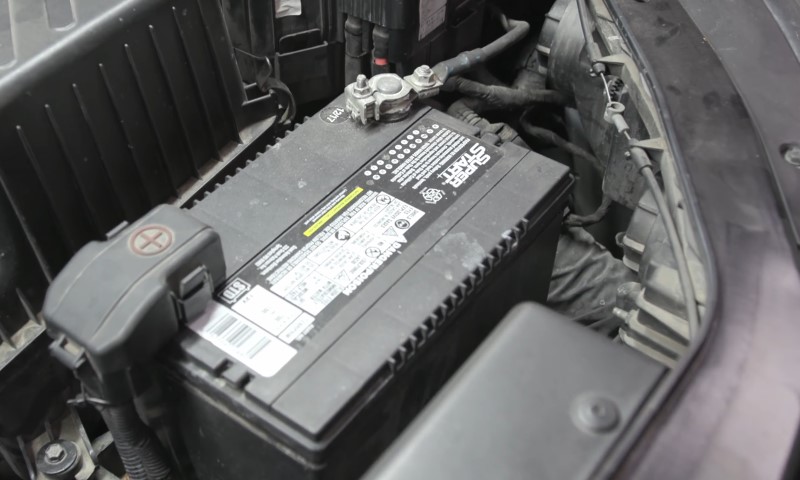
The three-to-five-year estimate covers a broad range of conditions. A car in Phoenix faces substantially greater heat exposure than one in northern Minnesota. Battery location within the vehicle also influences its exposure to high temperatures.
The Consumer Reports analysis of heat damage, updated in June 2026, provides a useful regional comparison. In the coldest northern areas, battery life can reach at least four years and ten months. In the hottest southern areas, the figure falls below three years and five months.
For drivers in Arizona or southern Nevada, a three-year-old battery deserves particular attention before summer. Owners in cooler climates may get additional years of service, although regular tests remain worthwhile. Actual lifespan also depends on the battery’s construction and the vehicle’s electrical demands.
Why Summer Heat Damages Car Batteries
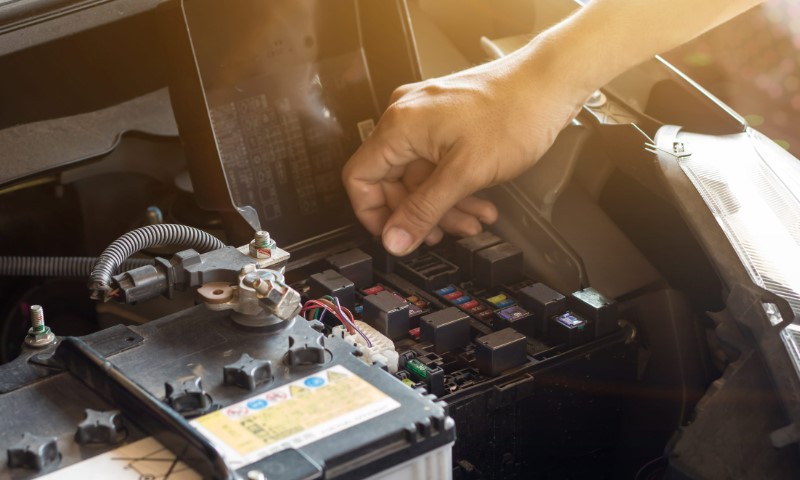
A conventional automotive battery relies on chemical reactions between lead plates and a sulfuric acid electrolyte. Higher temperatures accelerate those reactions, which can temporarily improve electrical performance. Prolonged heat also increases internal plate corrosion and can accelerate water loss from the electrolyte.
Temperatures beneath a vehicle’s hood can exceed 200°F during extreme summer conditions. Automakers sometimes install heat shields or place batteries away from the engine compartment to reduce exposure.
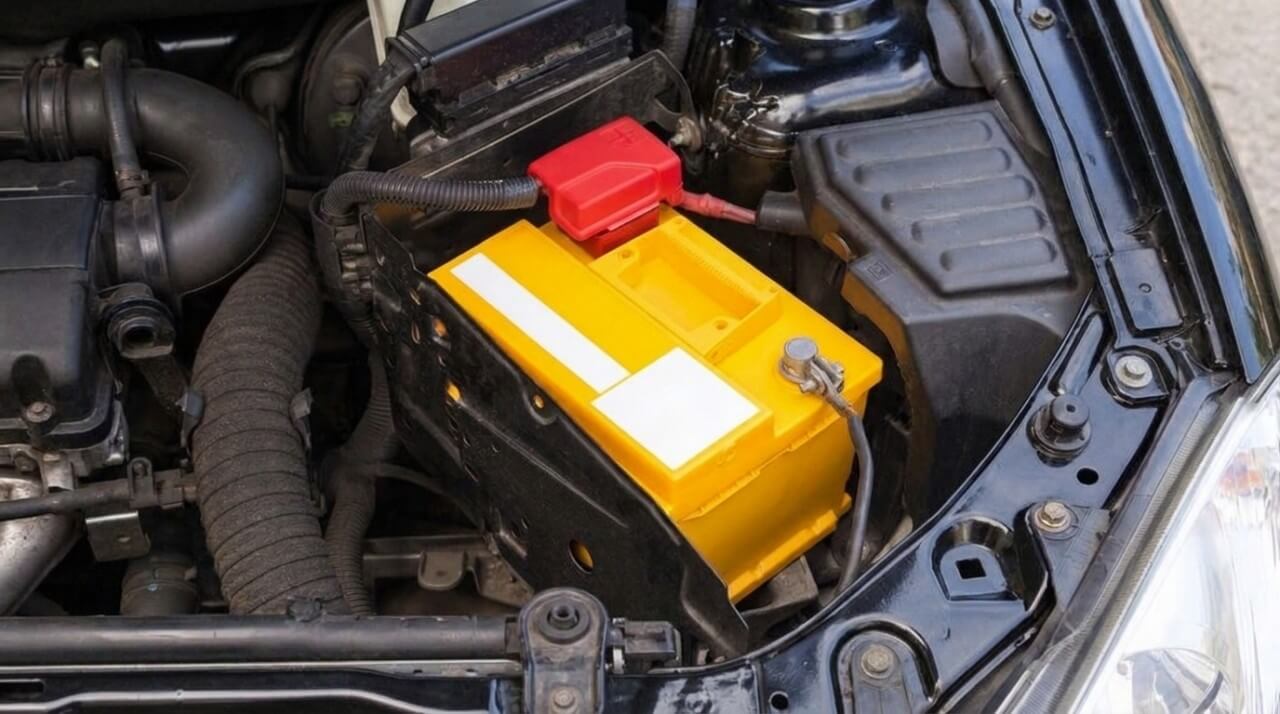
Vibration also affects battery durability. An improperly secured battery can experience internal damage as the vehicle travels over uneven roads. The hold-down bracket should remain secure, particularly after replacement.
Consumer Reports Tests Batteries at 167°F
Consumer Reports evaluates battery durability through an accelerated laboratory procedure. Its 2026 battery tests include 180 discharge and recharge cycles in a 167°F water bath. The laboratory also evaluates performance at 0°F to assess cold-weather capability.
The heat test measures how well batteries tolerate repeated electrical demands under severe conditions. Results can vary substantially between products of the same physical size.
The laboratory also measures reserve capacity, which indicates how long a battery can supply power if the vehicle’s alternator fails. A model with strong heat resistance deserves consideration in southern states, while drivers in colder regions should also examine cold-start performance.
Why Car Batteries Often Fail in Winter
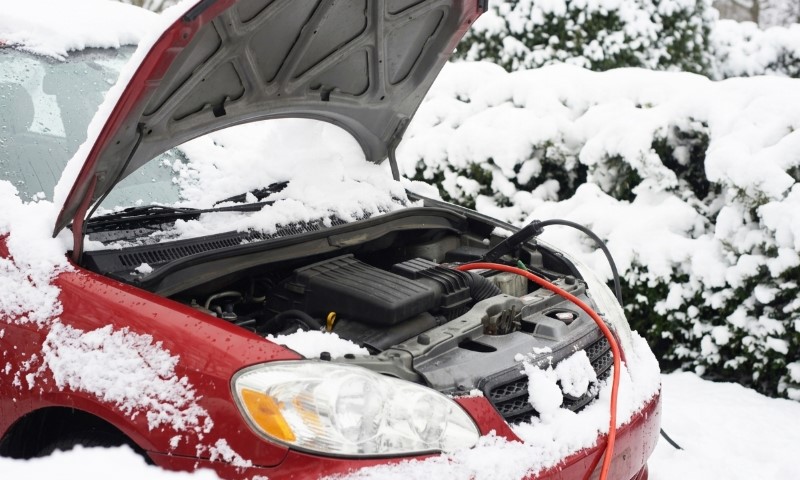
Cold temperatures reduce the available electrical power of a lead-acid battery. Engine oil also becomes more viscous, which can increase the effort required to turn the engine during a cold start.
Consumer Reports notes that at approximately 0°F, a battery may have only half the available start power it has at 80°F. A battery with reduced capacity can therefore operate normally through September yet fail during December.
Summer heat may have caused permanent deterioration, with winter temperatures exposing the loss of capacity. A car that takes noticeably longer to start deserves a battery test before temperatures fall further.
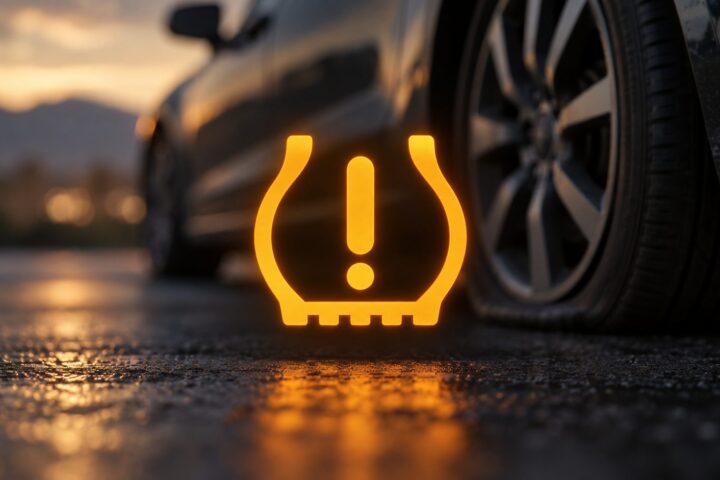
Cold weather also affects other vehicle components. A sudden temperature drop may activate the tire pressure light even when a tire has no puncture. That alert requires a separate pressure check because the underlying cause differs from battery deterioration.
Five Signs Your Car Battery Is Near the End
A weak battery does not always provide clear advance notice. Some fail unexpectedly, although certain symptoms deserve prompt attention.
- Slow engine start: The starter turns the engine more slowly than usual, particularly after the vehicle has remained parked overnight.
- Repeated start problems: The engine requires several attempts to start or needs external battery assistance.
- Dim headlights: The lights become unusually weak, especially at idle in older vehicles.
- Corroded terminals: White or green deposits appear around the battery connections.
- Rapid loss of charge: The battery becomes discharged after a relatively short period of inactivity.
A dashboard battery symbol requires separate attention. If the symbol remains illuminated after the engine starts, the problem may involve the alternator or another part of the electrical charge system. A faulty cable connection can produce similar symptoms, so battery replacement should follow a proper diagnosis.
Short Trips Can Reduce Battery Life
Every engine start draws substantial electrical current. The alternator replenishes the battery as the engine operates, but repeated trips of only five or ten minutes may provide insufficient time for a full recharge.
Over time, the battery can remain at a low state of charge. Prolonged partial discharge promotes sulfation within lead-acid cells, which can reduce their usable capacity.
The Interstate Batteries technical guide, revised in October 2026, identifies vehicle use as an important influence on battery lifespan. Extended inactivity can also contribute to discharge because modern vehicles consume some electricity even after the engine is turned off.
For cars that remain parked for several weeks, a compatible battery maintainer can help preserve the state of charge. Follow the vehicle manufacturer’s instructions for approved equipment and electrical connection points.
When Should You Test or Replace Your Car Battery?
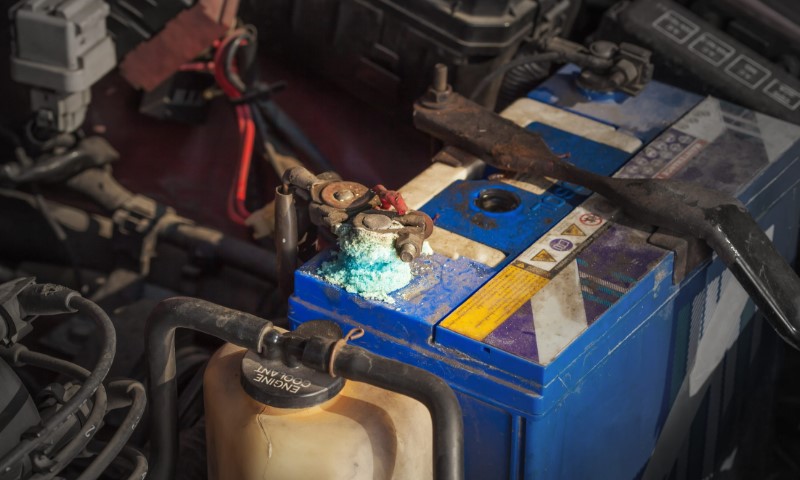
Age provides a useful indication of battery condition, but a professional test offers more reliable evidence.
Consumer Reports recommends an annual load test once a battery reaches two years of age in warmer climates. For colder climates, its general advice recommends annual tests after four years. The test evaluates the battery’s ability to maintain sufficient voltage under electrical demand.
A simple voltage measurement can identify a low state of charge. It cannot fully establish the battery’s remaining capacity or its ability to deliver enough current for an engine start.
Consider an illustrative example involving two vehicles. The first has a two-year-old battery with low voltage that passes a load test after a full recharge. The technician should investigate the cause of the discharge before recommending replacement.
The second vehicle has a five-year-old battery that produces normal voltage at rest but fails its load test. Replacement is appropriate because the battery can no longer deliver sufficient current under load.
The examples explain why resting voltage alone can be misleading. An older battery may appear normal on a basic meter despite inadequate start capacity.
Can a Car Battery Last Seven Years?
Some batteries remain serviceable for seven years or longer. A battery that has spent most of its life in a moderate climate may last longer than one exposed to prolonged heat. Regular vehicle use can also help maintain its charge.
However, age increases the risk of unexpected failure. Batteries beyond five years deserve careful evaluation, especially before a long road trip.
AGM vs. Conventional Batteries: Which Lasts Longer?
Conventional flooded lead-acid batteries remain common in gasoline-powered vehicles. Absorbent glass mat (AGM) batteries use a different internal design that holds the electrolyte within fiberglass separators.
AGM batteries generally tolerate repeated discharge cycles better than conventional flooded units. Many modern vehicles with automatic start-stop systems require AGM batteries or enhanced flooded batteries.
Battery group size determines the physical dimensions and terminal layout. Cold cranking amps, commonly abbreviated CCA, measure the current a battery can deliver at 0°F under standardized conditions.
A replacement must meet the manufacturer’s specifications. Some modern vehicles also require electronic registration after battery replacement so the energy management system can adjust its charge strategy.
How Much Does a Longer Battery Life Save?
A battery with a longer service life can reduce the annual cost of vehicle ownership, even if its initial price is higher.
Consider an illustrative replacement battery priced at $240, excluding installation. If it lasts three years, its annual cost is $80. At five years, that figure falls to $48. The difference is $32 per year, based on an identical purchase price.
That expense becomes part of a broader household vehicle budget, particularly when gas prices place additional pressure on operating costs.
However, a higher retail price does not guarantee greater durability. Paolo Fu, who oversees car battery tests at Consumer Reports, addressed that assumption in the publication’s August 2026 evaluations:
“Price doesn’t necessarily mean better performance.”
Consumer Reports found that some less expensive batteries achieved strong laboratory results. Buyers should compare performance within the correct battery group rather than assume the most expensive option will last longest.
Do Hybrid and Electric Cars Have the Same Battery Problems?
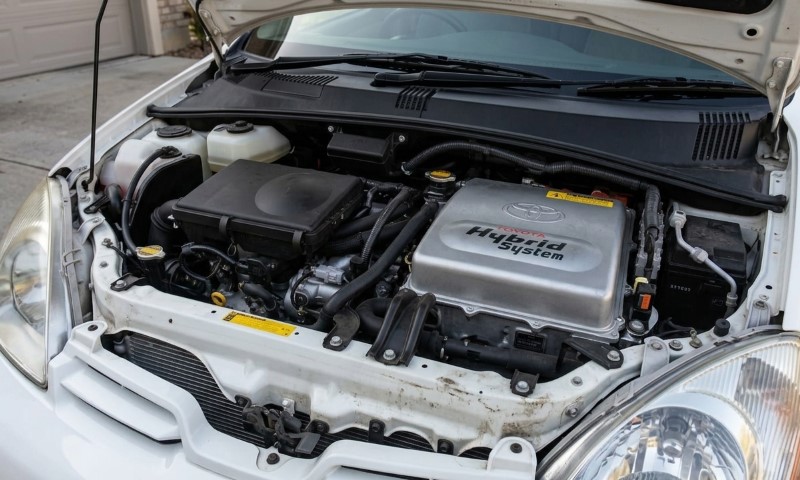
Hybrid vehicles often contain a low-voltage auxiliary battery alongside their high-voltage traction battery. The auxiliary battery supplies electricity to important vehicle systems, and depending on the design, it may help activate the electronics required before the traction battery becomes available.
The U.S. Department of Energy’s hybrid guide explains how a DC/DC converter supplies low-voltage electrical power through the high-voltage system.
A defective auxiliary battery can prevent normal vehicle operation even when the traction battery remains healthy. Such electrical faults should be considered separately from overall hybrid reliability, which also depends on other vehicle systems.
The distinction also matters for electric vehicles, which may use lithium-ion auxiliary batteries rather than conventional lead-acid units. Their replacement procedures and expected service lives can differ.
The three-to-five-year estimate applies primarily to conventional automotive starter batteries. High-voltage traction batteries have separate service requirements and warranty conditions.
What Happens If Your Battery Dies Completely?
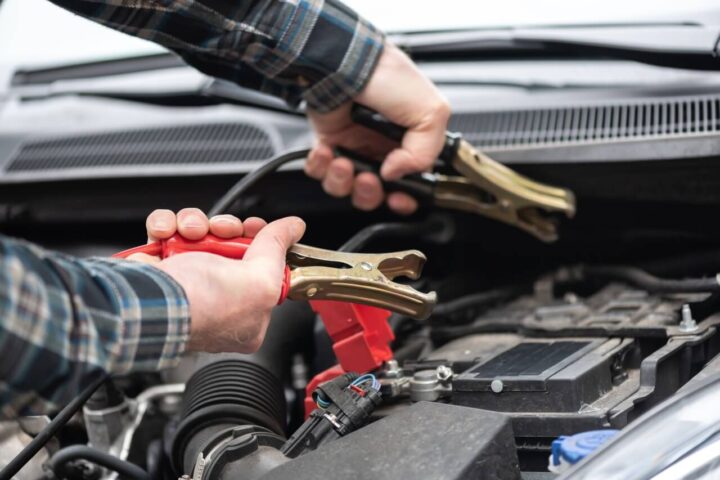
A portable booster or another vehicle’s battery may provide enough power to start an engine. The appropriate procedure depends on the manufacturer’s specified electrical connections.
For many conventional vehicles, the final negative cable connection belongs on a designated metal ground point away from the discharged battery. Terminal locations vary, and some vehicles require a specific procedure.
Follow the owner’s manual before you attempt to jump-start a car. Damaged battery cases or visible acid leaks require professional attention.
A successful restart does not prove that the battery remains healthy. Have its condition evaluated before further reliance on the vehicle.
The Environmental Protection Agency’s battery guidance recommends that old lead-acid automotive batteries go to a retailer or an approved collection facility. Lead-acid batteries contain hazardous materials and must remain outside ordinary household trash.
Check Battery Age Before You Buy a Used Car
A battery test belongs in a pre-purchase mechanical inspection, particularly when the vehicle has spent several years in a hot region.
Ask for the installation date if records are available. A recent replacement invoice can establish the battery model and its warranty status. The manufacturing code can also help establish age, although formats vary by manufacturer.
An older battery with weak test results creates an additional maintenance expense immediately after purchase. Include that expense in your assessment of the vehicle’s overall condition.
For a used vehicle with a battery near the end of its expected service life, request a professional evaluation before agreeing to the final price. Review applicable used-car return rights separately, particularly in states with statutory cancellation periods.
When Is the Right Time for a New Battery?
The decision should reflect the battery’s age and its actual test results. In hot climates, annual tests become especially valuable after the second year. In cooler regions, regular inspections remain important as the battery approaches its expected lifespan.
A battery with strong test results may remain suitable for continued use. A unit with inadequate start current or poor reserve capacity deserves replacement before it fails completely.
Schedule an inspection before an extended trip if the battery is several years old. An appointment before the first major cold spell is another sensible precaution.
Summer heat can shorten car battery life by more than a year compared with conditions in cooler U.S. regions. A timely load test provides the evidence needed to decide on replacement before an unexpected failure leaves the vehicle out of service.