Toyota Outsold Ford in EVs Last Quarter, by More Than Two to One

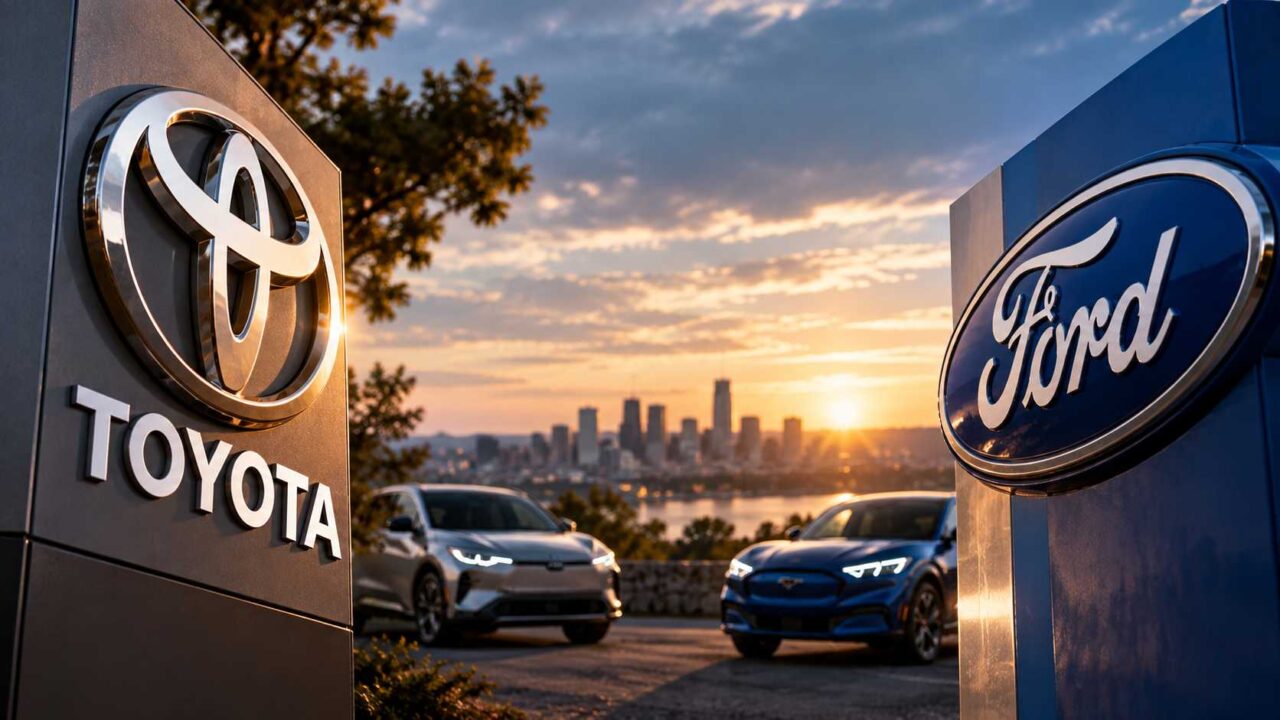
A year ago, Ford sold roughly ten times as many electric vehicles as Toyota in the United States.
In the third quarter of 2025, Ford sold 30,612 fully electric vehicles, compared with Toyota’s 3,015. One year later, that enormous advantage had disappeared. Toyota posted a substantial increase in sales, and Ford recorded one of the steepest declines among major automakers.
Toyota sold 12,904 fully electric vehicles in the third quarter of 2026, compared with Ford’s 6,047. The Japanese automaker sold 2.13 times as many EVs, a lead of 6,857 vehicles. According to Kelley Blue Book’s quarterly report, Toyota’s sales rose 328% year over year, as Ford suffered an 80.2% decline.
The comparison covers battery-electric vehicles (BEVs) only. Conventional hybrids are excluded.
How Did Toyota Overtake Ford?
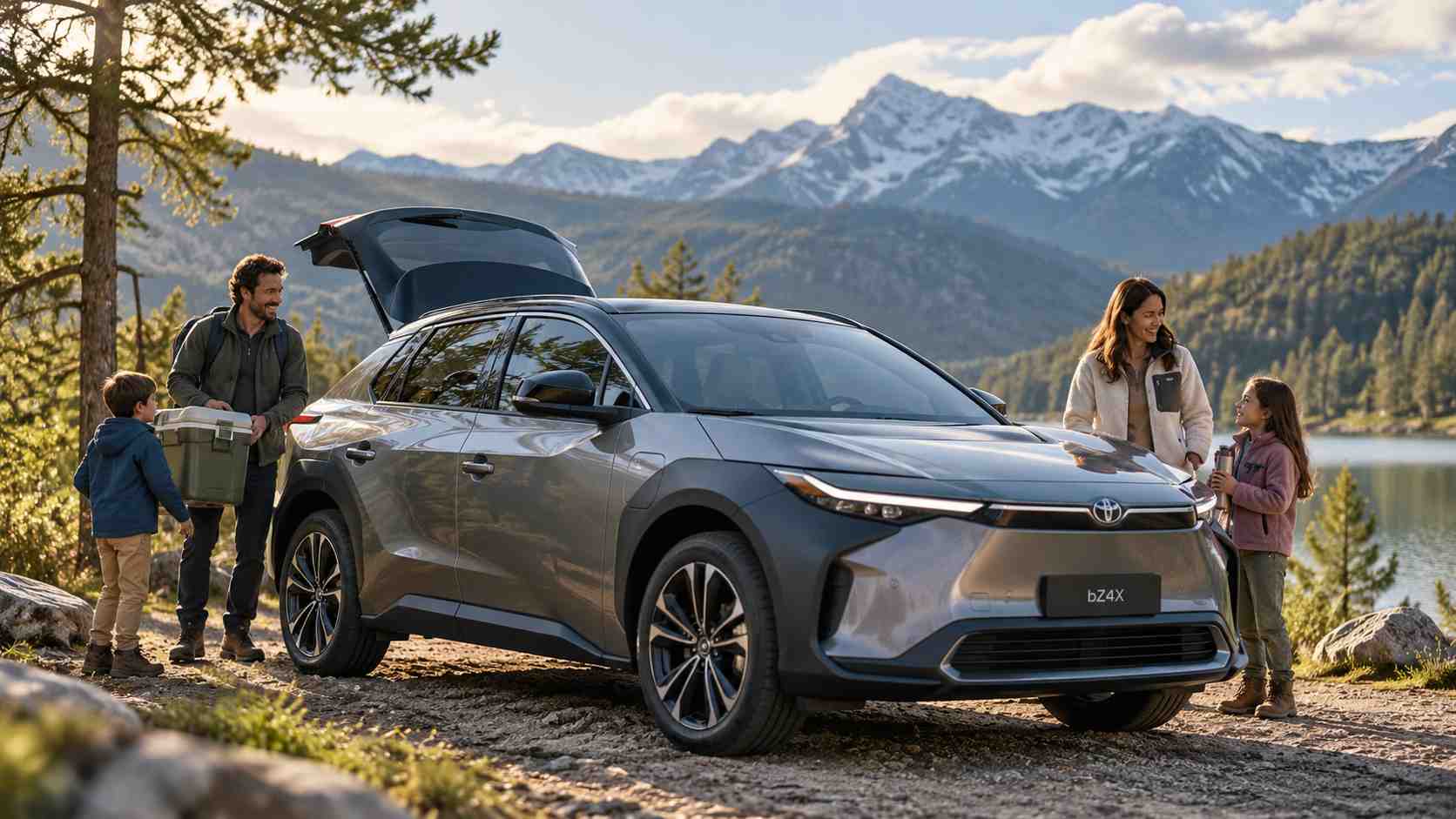
Toyota expanded its electric lineup during 2026. The updated bZ accounted for most of its EV sales, with additional volume courtesy of the new C-HR. The bZ Woodland also contributed to the company’s quarterly results.
Toyota’s bZ alone outsold Ford’s entire electric lineup by 1,344 vehicles. The result is notable for an automaker that had remained far behind Ford in the U.S. BEV market just a year earlier.
Ford experienced a particularly severe decline in Mustang Mach-E sales. Its electric F-150 pickup recorded an even larger percentage drop, with sales down 97.1% year over year. Both models had contributed substantially more volume in the previous year.
U.S. Electric Vehicle Sales by Model, Q3 2025 vs. Q3 2026
Source: Kelley Blue Book EV Sales Report, updated October 13, 2026. Figures are U.S. sales estimates. N/A indicates no comparable quarterly sales figure in the report. The model-level figures reveal a major difference between the two automakers. Toyota’s bZ accounted for approximately 57.3% of the brand’s EV sales. The Mustang Mach-E represented 92.2% of Ford’s electric volume. I consider that concentration one of Ford’s main problems. With nearly all BEV sales dependent on one model, another weak Mach-E quarter could severely affect the company’s total.
Model
Q3 2025
Q3 2026
Toyota bZ
3,015
7,391
Toyota C-HR
N/A
3,467
Toyota bZ Woodland
N/A
2,046
Ford Mustang Mach-E
20,177
5,574
Ford F-150 EV pickup
10,005
289
Ford E-Transit
430
184
Ford’s Hybrid Sales Tell a Different Story
The Maverick Hybrid achieved a record third quarter, with 27,793 units sold. Sales increased 59.6% year over year, according to Ford’s official sales results.
Toyota also reported substantial hybrid demand. Its third-quarter sales release listed 363,367 electrified vehicles across the Toyota and Lexus brands.
That total includes conventional hybrids and plug-in hybrids. It covers a broader category than the BEV figures used for the Ford comparison.
The distinction matters because conventional hybrids have gasoline engines and require no external electric power source. BEVs operate entirely on battery power. Sales statistics for the two categories measure different consumer choices.
The U.S. EV Market Suffered a Sharp Annual Decline
U.S. consumers purchased approximately 262,649 fully electric vehicles during the third quarter of 2026. Sales fell 39.5% compared with the same period in 2025, according to Cox Automotive’s market analysis.
The unusually strong third quarter of 2025 contributed to the large annual decline. Buyers rushed to take advantage of federal EV tax credits before their expiration. The Internal Revenue Service confirms that the federal clean vehicle credits became unavailable for vehicles acquired after September 30, 2025.
The market has since recovered some momentum. EV sales rose 6.1% compared with the second quarter of 2026, and electric vehicles accounted for approximately 6.4% of all new-vehicle sales.
Toyota managed to expand its BEV sales substantially during a difficult period for the industry. Ford’s decline exceeded the broader market’s annual contraction by more than 40 percentage points.
What Does Toyota’s Lead Mean for Ford?
Ford’s challenge is now clear. The automaker needs stronger EV sales beyond the Mach-E to reduce its reliance on a single vehicle. Toyota has established a broader base, although its future results will depend on sustained demand.
For consumers, I recommend a direct comparison of final dealer prices before choosing either brand. Battery warranty terms also deserve close attention. Quarterly sales figures provide market context, but the actual vehicle specifications should determine a purchase.
Toyota’s third-quarter performance marks a major reversal in the U.S. EV market. Ford will need a substantial recovery to regain its former advantage, and the next few quarters will establish how durable Toyota’s lead becomes.