How to Jump Start a Car, and Which Clamp Goes On Last

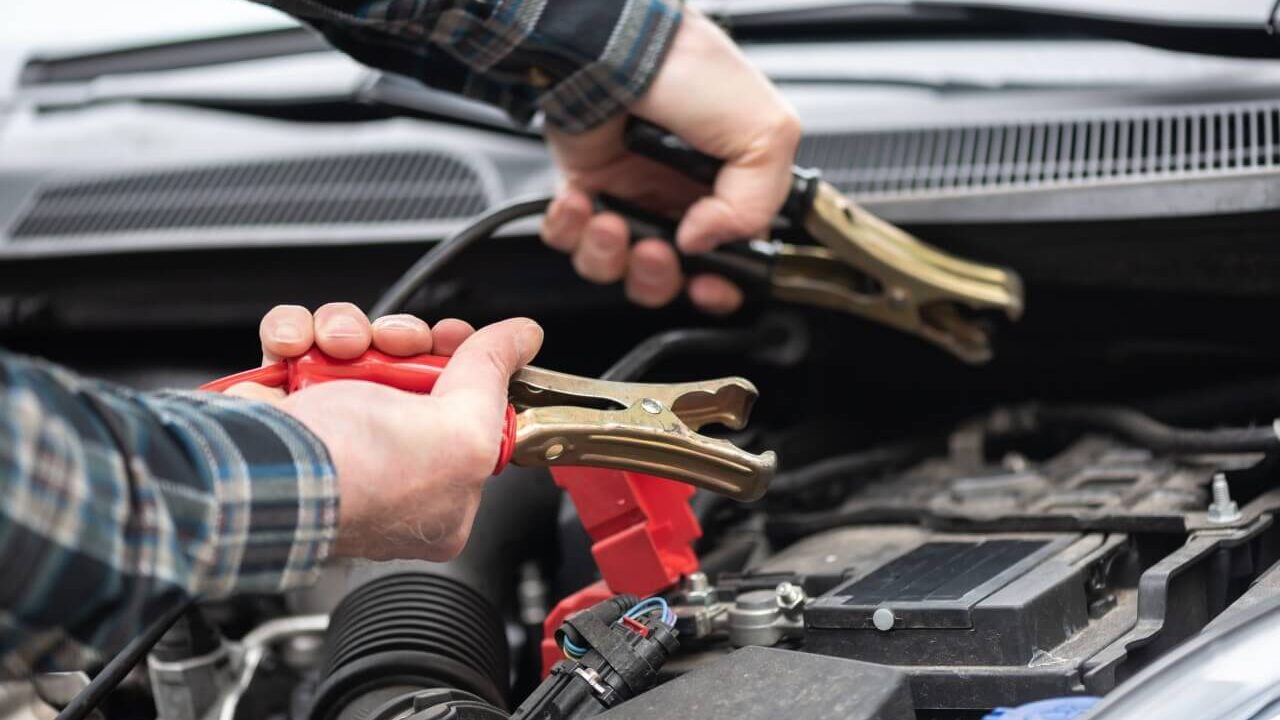
A dead car battery can leave you stranded even when the rest of the vehicle is in good condition. Jumper cables can provide enough electrical power to start the engine, but the order of the connections matters. One misplaced clamp can cause a short circuit or damage expensive electronic components.
- 1stBefore You Connect the Jumper Cables
- 2ndHow to Jump Start a Car: Correct Jumper Cable Order
- 3rdStart the Cars and Remove the Cables
- 4thWhat If the Car Still Won’t Start?
- 5thCan You Jump Start a Car With a Portable Battery Pack?
- 6thAre Hybrid and Electric Cars Different?
- 7thWhat Should You Do After a Successful Jump Start?
To jump start a car, connect the red clamps to the positive terminals of both batteries first. Attach one black clamp to the negative terminal of the good battery. The last black clamp goes on a designated metal ground point on the car with the dead battery, away from the battery itself.
The procedure applies to most conventional 12-volt systems, although the vehicle manufacturer’s instructions always take priority.
Before You Connect the Jumper Cables
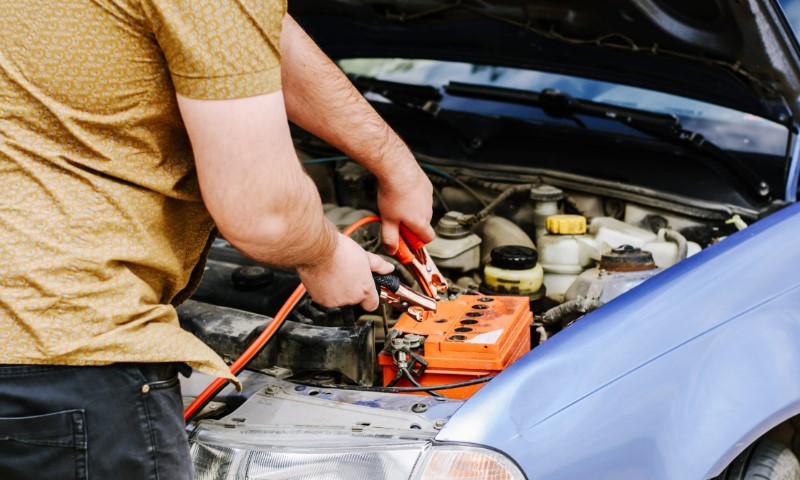
Start by checking the owner’s manual for the correct procedure. Some vehicles have remote jump terminals beneath the hood, even when the battery sits in the trunk. The designated connection points may differ from the actual battery terminals.
Make sure both vehicles use compatible 12-volt electrical systems. Park them close enough for the cables to reach, without allowing the cars to touch. Turn both engines off and apply the brakes. Remove the key or switch off the ignition before you open the hoods.
Inspect the discharged battery before attempting a jump start. A cracked case or visible acid leakage requires professional assistance. Never attempt to jump-start a frozen battery.
The 2025 Kia owner’s manual specifies a 12-volt donor battery and requires the final cable connection to be made at a solid metal ground point away from the discharged battery. Similar precautions apply to many conventional passenger vehicles.
How to Jump Start a Car: Correct Jumper Cable Order
The correct jumper cable order is essential for a safe start. Identify the positive terminals by their plus (+) markings. The negative terminals carry a minus (-) symbol.
Follow the sequence below unless your owner’s manual specifies a different procedure.
- Red clamp to the dead battery: Connect the first red clamp to the positive (+) terminal of the discharged battery.
- Red clamp to the good battery: Attach the second red clamp to the positive (+) terminal of the donor battery.
- Black clamp to the good battery: Connect one black clamp to the negative (-) terminal of the donor battery.
- Last black clamp to metal ground: Attach the final black clamp to the manufacturer’s designated ground point on the disabled vehicle, away from the battery.
The final connection deserves particular attention.
The last black clamp should normally attach to a clean metal ground point, such as a designated engine bracket. Avoid painted surfaces and parts that can move when the engine starts.
Edmunds’ jumper cable guide recommends a ground point several inches away from the discharged battery. The arrangement reduces the risk of sparks near the battery, where flammable hydrogen gas may be present.
Keep the metal clamps apart throughout the procedure. Reversed polarity can damage electrical components, even if neither engine starts.
Start the Cars and Remove the Cables
Once all four clamps are secure, check that the cables are clear of the engine’s belts and fans. Start the donor vehicle first and let it idle for a few minutes. Then attempt to start the car with the discharged battery.
If the engine starts, allow it to stabilize before removing the cables. Follow the reverse order:
Remove the black clamp from the metal ground first, followed by the black clamp on the donor battery. Next, disconnect the red clamp from the donor battery. Remove the final red clamp from the previously discharged battery.
Keep each loose clamp away from exposed metal surfaces. Take particular care near the engine compartment if either motor remains on.
A successful jump start confirms that external electrical power helped the engine start. It does not establish that the original battery remains healthy.
What If the Car Still Won’t Start?

A weak or completely discharged battery may need additional time before another attempt. Wait a few minutes with the donor vehicle on, then try again. Avoid repeated attempts that exceed the limits in your owner’s manual.
A rapid series of clicks can indicate inadequate electrical power. Poor cable contact may cause a similar symptom, so verify the connections before another attempt.
If the engine turns over at normal speed but fails to start, the cause may be unrelated to the battery. A problem with fuel delivery or ignition could require professional diagnosis.
Consumer Reports warns that modern vehicle electronics can suffer costly damage from an incorrect jump-start procedure. Its October 2026 technical guide recommends professional assistance when the correct procedure is uncertain.
Can You Jump Start a Car With a Portable Battery Pack?
A portable jump starter eliminates the need for a second vehicle. Most units contain a rechargeable battery capable of supplying the short burst of current needed to start an engine.
Check the device’s voltage compatibility and follow its instructions. Many portable starters use a red clamp on the positive terminal and a black clamp on a designated ground point. Some products specify a different negative connection, so the instructions for the device and vehicle must agree.
Confirm the correct polarity before you activate the unit. Modern portable starters often include electronic protection against reversed connections.
After the engine starts, turn off the starter according to its instructions. Disconnect the negative lead before the positive lead.
A portable starter can be useful for vehicles that remain parked for long periods. Choose a unit compatible with your engine and check its charge periodically.
Are Hybrid and Electric Cars Different?
Hybrid and electric vehicles also rely on low-voltage electrical systems, but their jump-start procedures can differ substantially from those of gasoline-only cars.
Some electric vehicles use a lithium-ion auxiliary battery with dedicated jump terminals. Never connect a conventional booster to a high-voltage traction battery.
The Tesla Model 3 owner’s manual specifically prohibits the vehicle from serving as a donor to jump-start another car. It also provides a separate procedure for external low-voltage power.
Check the vehicle-specific instructions before using a hybrid or EV as the donor vehicle. Never assume that the conventional cable sequence applies to every model.
What Should You Do After a Successful Jump Start?
Keep the engine on until you reach a suitable location for a battery test. A drive of approximately 20 minutes may restore some charge, but it cannot guarantee a full recharge. A deeply discharged battery may require a compatible external charger.
If the battery symbol remains illuminated after the engine starts, have the electrical charge system inspected. The alternator or another component may be defective.
Age matters as well. Conventional car batteries commonly last three to five years, depending on climate and vehicle use. An older battery that requires a jump start deserves a professional load test before you rely on it again.
The safest jumper cable procedure ends with the black clamp on the disabled car’s designated metal ground point.
Follow the correct connection order, respect the manufacturer’s instructions and have the battery tested after the car starts. A successful start may solve the immediate problem, but the test helps establish the cause before the next trip.