Your Tire Pressure Light Isn’t Wrong on a Cold Day
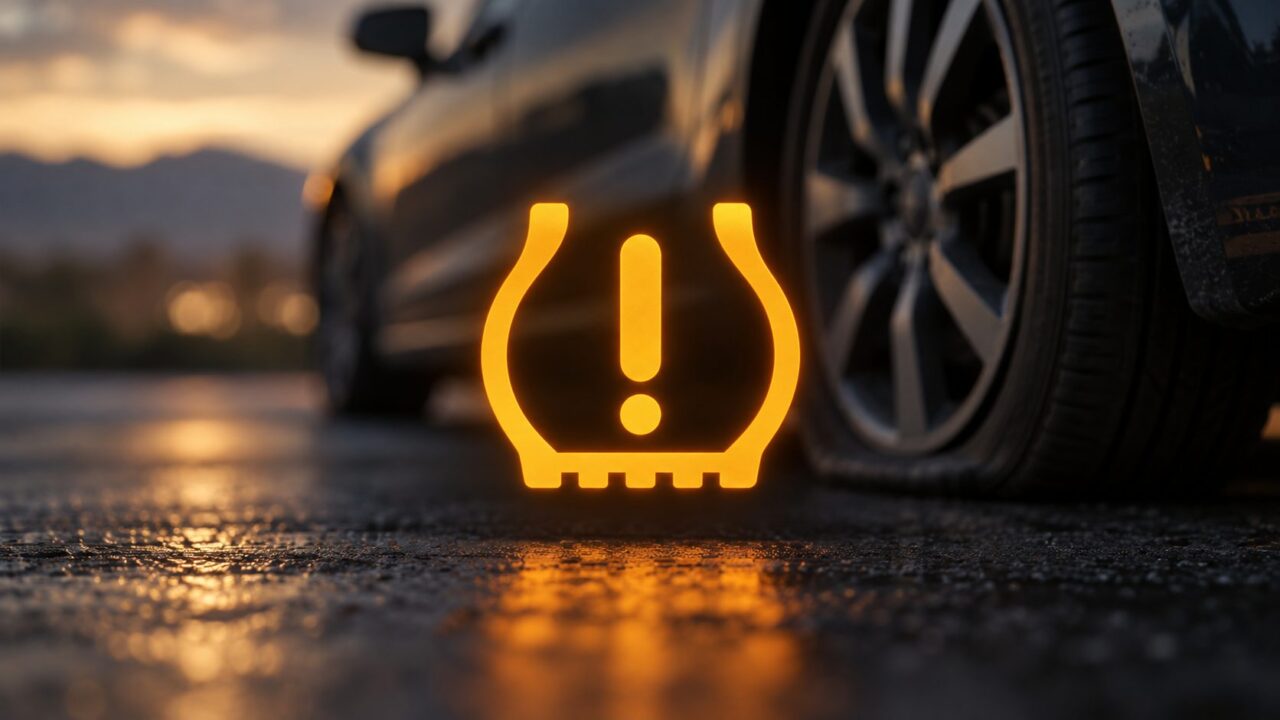
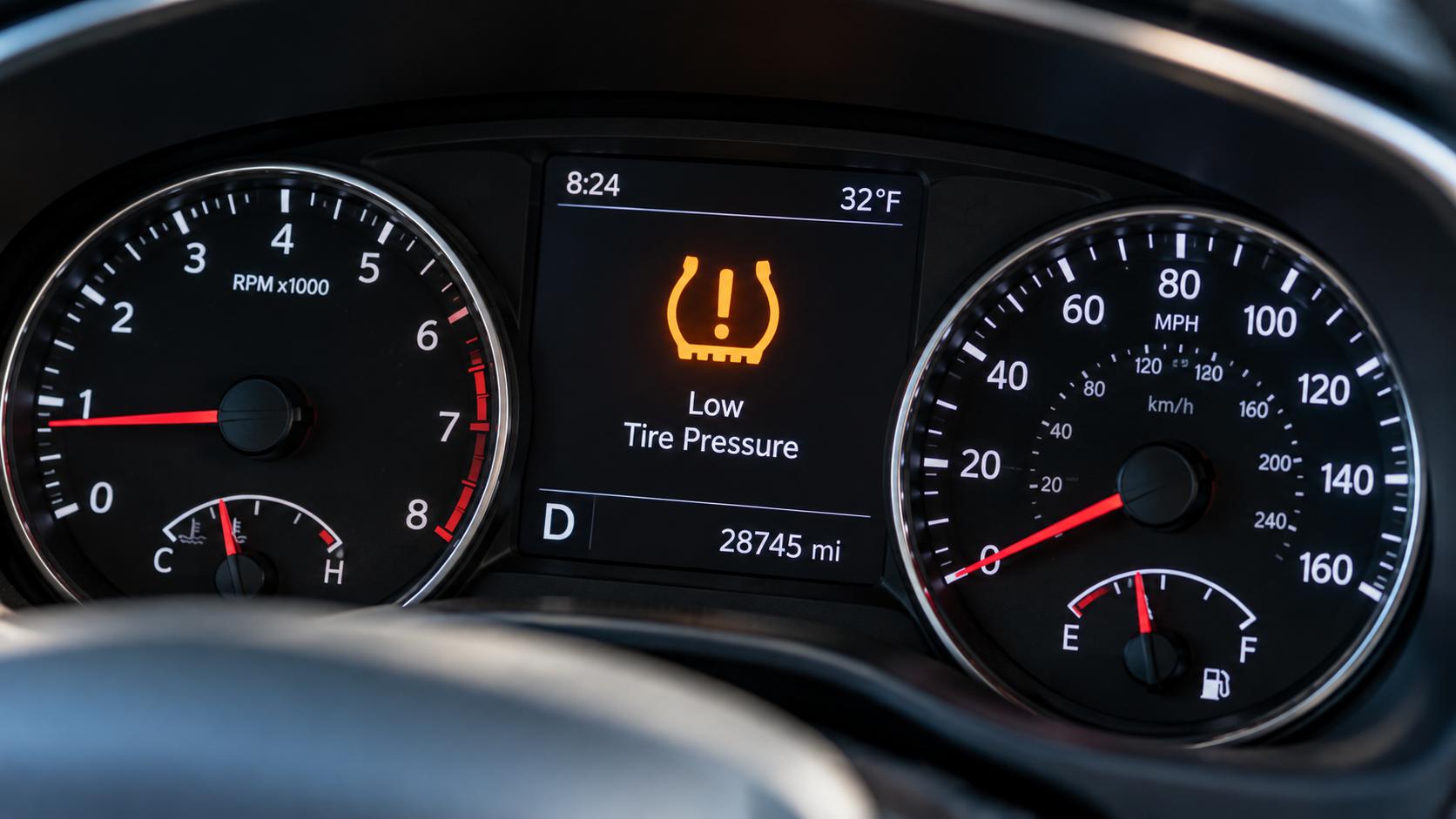
An overnight temperature drop can trigger a dashboard warning even if your car seemed perfectly fine the previous evening. You may see a tire pressure light in cold weather despite normal-looking tires and no obvious change in how the vehicle drives.
The usual cause of a tire pressure light in cold weather is a drop in air pressure as temperatures fall.
Tire pressure typically decreases by about 1 PSI for every 10°F drop in temperature. A puncture may not be involved, but the pressure can still fall below the manufacturer’s recommended level.
Even if the light disappears after a few miles, you should check the tires with a pressure gauge.
Why Your Tire Pressure Light Comes On in Cold Weather
AAA’s tire pressure guidance estimates that a temperature drop of 20°F can reduce pressure by approximately 2 PSI. That difference can be enough to activate the light if the tires were already below their recommended pressure.
Consider a vehicle with a recommended cold tire pressure of 35 PSI. If one tire has only 30 PSI at 70°F, a temperature drop to 30°F could reduce its pressure to approximately 26 PSI. The tire would then be nearly 26% below the manufacturer’s recommendation.
The federal TPMS standard requires applicable systems to detect significant pressure loss under specified test conditions. The threshold is generally 25% below the recommended cold pressure or a higher minimum threshold set by the regulation. Individual systems may activate sooner.
How Much Pressure Can You Lose Overnight?
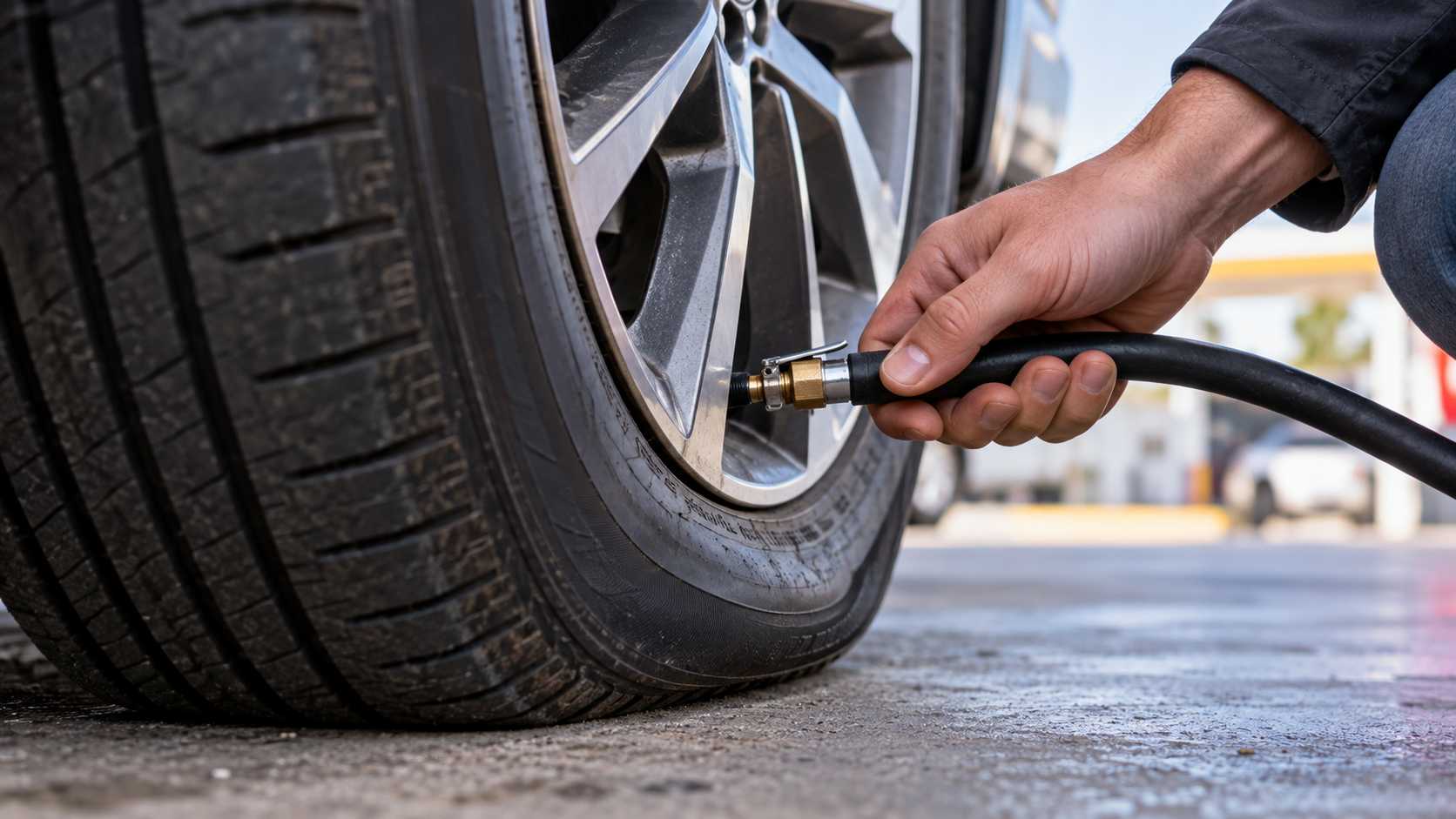
Even a modest temperature drop can trigger a tire pressure light in cold weather if the tires were already low. The relationship between temperature and air pressure provides a useful estimate before you take an actual measurement.
For a typical passenger vehicle, the approximate pressure changes are:
- 10°F temperature drop: 1 PSI decrease.
- 20°F temperature drop: 2 PSI decrease.
- 30°F temperature drop: 3 PSI decrease.
- 40°F temperature drop: 4 PSI decrease.
Actual values depend on the tire’s initial pressure. The figures are estimates rather than exact measurements for every vehicle. A sudden cold spell can affect all four tires at once. If one tire has substantially lower pressure than the others, a separate mechanical problem deserves attention.
Why the Light Sometimes Disappears After a Few Miles

After several miles, a tire pressure light in cold weather may disappear as the tires become warmer. As the tires flex on the road, their internal temperature rises. The air pressure increases accordingly. If it rises above the TPMS alert threshold, the dashboard light may switch off.
The National Highway Traffic Safety Administration confirms that such behavior can occur after a cold night. The agency recommends a manual pressure check even if the alert disappears. A few miles of travel can temporarily raise the pressure without correcting the original problem. Once the tires cool, the pressure falls again.
Check the Pressure Before You Add Air
Use the manufacturer’s recommended PSI, usually listed on a label inside the driver’s door frame. The number molded into the tire sidewall represents its maximum pressure, rather than the correct pressure for your particular vehicle.
If you reach an air pump after a long drive, remember that warm tires have higher pressure. Avoid releasing air simply because the gauge exceeds the recommended cold value. Check again after the tires cool.
Cold Weather or a Tire Leak? Here Is How to Tell
A loss of air in one tire deserves closer attention, even if the initial alert seemed like a routine tire pressure light in cold weather. A sudden temperature drop can explain an isolated alert, but repeated pressure loss in one tire may indicate a separate mechanical problem.
A damaged valve can allow air to escape slowly. Small punctures can produce similar symptoms, and neither problem necessarily causes an immediate flat tire.
For example, suppose you inflate all four tires to their recommended cold pressure. Three maintain that pressure over the next several days, but the fourth loses another 4 PSI under comparable temperature conditions.
A tire shop should inspect the affected wheel assembly for a leak.
Another important difference concerns the behavior of the dashboard light. A solid TPMS light generally indicates low tire pressure. If the light flashes for approximately 60 to 90 seconds and then remains illuminated, the system may have a malfunction. A defective sensor or communication fault could be responsible.
What Happens If You Ignore Low Tire Pressure?
Low tire pressure increases tire flex and heat buildup. Over time, excess heat can damage the tire’s internal structure and increase the risk of failure. Fuel efficiency can also suffer because an underinflated tire has greater resistance to motion.
With U.S. gas prices above $4 per gallon in October 2026, even a small loss in fuel economy can increase costs. Uneven tread wear may reduce its useful service life.
Uneven tread wear may reduce its useful service life.
Excessively high pressure creates separate problems. The manufacturer’s cold pressure specification remains the correct reference, including during winter.
And, for the end…
If the tire pressure light in cold weather remains illuminated, check each tire with a reliable gauge before you leave home. Inflate the tires to the manufacturer’s recommended cold PSI if necessary.
Record the measurements and check them again after several days at a similar outside temperature. A tire that continues to lose pressure may need professional repair. If the TPMS light remains illuminated after the pressures are correct, consult the owner’s manual for the required reset procedure. Some vehicles update their displays after a short drive.
An overnight temperature drop is a common cause of a tire pressure light in cold weather. A manual pressure check will establish if the tires simply need air or if a mechanical fault needs attention.