California Now Gives Used-Car Buyers Three Days to Change Their Minds


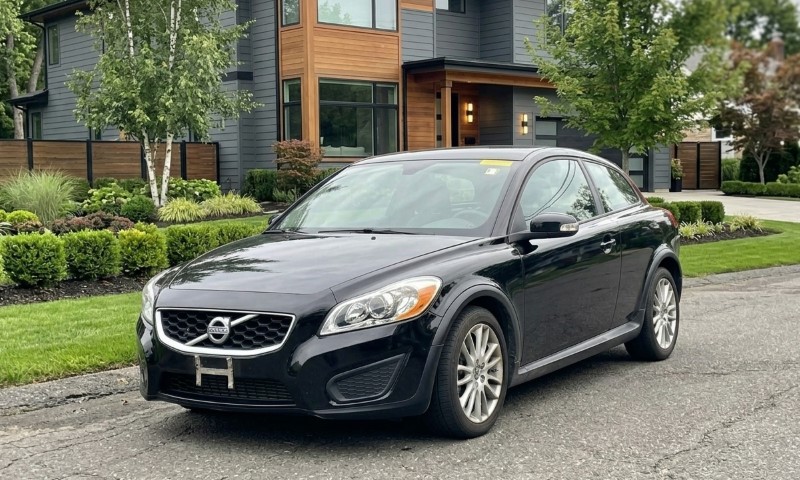
In October 2025, I bought a used 2012 Volvo C30 T5 with a manual transmission for $12,400. I had saved for months to afford it.
- 1stLet’s take a closer look at this:
- 2ndCalifornia’s New Used-Car Return Law: What Changed?
- 3rdThree Calendar Days: Where Buyers Can Make a Costly Mistake
- 4thThe Real Cost of a Three-Day Return
- 5thMy Biggest Used-Car Purchase Mistake
- 6thHow a Buyer Must Return a Used Car
- 7thWhat I Learned About Used Cars After the Volvo
Four months later, the dual-mass flywheel failed. I was furious. I called the dealership immediately, explained the problem and demanded an answer. The salesman refused to take the car back. I had spent nearly all my savings on that Volvo, and the prospect of another major bill made me regret the entire purchase. I decided I was done with used cars. A loan or lease for a brand-new vehicle suddenly seemed like a better choice.
California’s new used-car return law gives buyers a chance to avoid that kind of regret. Since October 1, 2026, buyers can cancel eligible used-car purchases within three calendar days for any reason. The vehicle must cost $50,000 or less, and the buyer must stay within 400 additional miles. Dealers may charge a limited return fee.
My Volvo’s failure came four months after the sale, so the law could not have helped me at that stage. The experience made me examine the new rules closely.
Let’s take a closer look at this:
Before examining the law in detail, I would highlight a few conditions that directly affect car buyers:
- The return period lasts three calendar days, starting the day after the contract is signed.
- The vehicle must cost $50,000 or less.
- The car cannot be driven more than 400 additional miles before it is returned.
- The dealer may charge a base fee of $200 to $600.
- An additional fee may apply after the first 250 miles.
California’s New Used-Car Return Law: What Changed?
California’s CARS Act, Senate Bill 766, replaced the state’s previous optional two-day cancellation system. Under the former rules, eligible buyers had to purchase a cancellation option. The new three-day right comes automatically with qualifying dealer transactions.
A mechanical defect is no longer necessary to cancel an eligible purchase. A buyer can simply change their mind.
The law also requires clearer vehicle price disclosures. Dealers must identify optional add-ons and cannot charge for products that provide no benefit to the buyer.
California’s Business and Consumer Services Agency reported in October 2026 that the price transparency provisions could save consumers an estimated $234 million annually. The figure represents a projection rather than actual savings measured since the law took effect.
Three Calendar Days: Where Buyers Can Make a Costly Mistake
The cancellation period starts the day after the purchase contract is executed.
Take a purchase completed on Friday, October 23, 2026. Saturday counts as the first day. Sunday is the second, and Monday is the final day.
If the dealership is closed to the public on the final day, the deadline extends to the next day it opens.
The precise deadline is established in California Civil Code Section 1784.31.
Another critical detail is the mileage restriction. The 400-mile allowance concerns distance traveled after the contract was executed. It has no connection to the vehicle’s existing odometer total.
A car with 120,000 miles may qualify. A buyer who exceeds the additional mileage limit loses the statutory cancellation right.
Which Vehicles Are Excluded?
Several transactions fall outside the law:
- Purchases through private sellers.
- New-vehicle purchases.
- Qualifying auction sales.
- Vehicles with a gross vehicle weight rating of 10,000 pounds or more.
- Certain commercial and fleet transactions.
A vehicle sold to an existing lessee who already possessed it is also excluded.
Dealers remain free to offer more generous cancellation policies. Such policies must be confirmed through the actual sales terms.
The Real Cost of a Three-Day Return
View this post on Instagram
California allows dealers to deduct a fee equal to 1.5% of the vehicle’s sale price. The minimum charge is $200, and the maximum is $600. An additional $1-per-mile fee can apply after the first 250 miles. That additional charge cannot exceed $150.
I calculated several examples using the statutory fee formula to see how much a buyer could actually lose.
Maximum Return Fees Under Different Purchase Conditions
| Purchase price | Miles after purchase | Maximum standard fee |
| $12,400 | 150 | $200 |
| $12,400 | 300 | $250 |
| $19,800 | 310 | $357 |
| $32,000 | 400 | $630 |
| $45,000 | 400 | $750 |
Illustrative calculations based on California’s statutory restock fee rules. Other transaction-specific financial adjustments are excluded.
The difference between a return after 150 miles and one after 300 miles on my hypothetical Volvo comes to $50.
The dealer may also retain actual vehicle shipment costs instead of the base percentage fee when the original transaction included a delivery charge. The same statutory cap applies.
My Biggest Used-Car Purchase Mistake

I had worked on cars before. I had replaced brake pads and handled basic maintenance. That gave me confidence when I inspected the Volvo, but I overestimated what a short test drive could reveal.
I checked the engine for visible leaks. I listened for unusual noises and tested the clutch. Everything seemed normal, so I skipped a professional inspection.
The mechanic later identified a problem with the dual-mass flywheel. The component sits between the engine and transmission, where its spring mechanism helps reduce torsional vibration.
A defective flywheel can cause abnormal noises or vibration near the clutch assembly. However, similar symptoms can originate elsewhere.
ZF’s technical guidance explains that technicians should investigate other possible causes before replacing the flywheel. The diagnostic process can prevent unnecessary component replacement.
I also made another mistake. I had focused on the vehicle’s purchase price and paid too little attention to potential repair costs.
The dealer’s refusal left me with a difficult choice. I could pay for the repair or investigate separate warranty rights. The three-day law could no longer reverse that purchase. California still preserves other legal remedies that may apply to a defective vehicle.
How a Buyer Must Return a Used Car

California requires dealers to provide a separate document titled “3-Day Right to Cancel Used Car Purchase or Lease.” The requirements appear in Civil Code Section 1784.43.
The document identifies the return deadline and explains the applicable fees.
To complete a valid cancellation, the buyer must personally return the vehicle during the dealership’s business hours.
The vehicle must remain in substantially the same condition as at delivery, apart from reasonable wear. Mechanical defects discovered after delivery are permitted if the buyer did not cause them.
What I Learned About Used Cars After the Volvo
My biggest mistake was trusting my own brief inspection too much. I had enough basic mechanical knowledge to identify obvious problems, but that did not qualify me to assess every component of an older vehicle.
The Federal Trade Commission recommends an independent mechanical inspection before a used-car purchase. A vehicle history report cannot establish the condition of every mechanical component.
I also learned to read warranty documents before committing money. The FTC Buyers Guide identifies the vehicle’s warranty status and helps clarify potential repair coverage.
Dear readers, keep copies of every purchase document. Preserve communications with the dealer if a dispute develops.
The lesson I took from the Volvo was expensive. I had committed most of my savings before obtaining a detailed mechanical assessment. My confidence had exceeded the evidence available to me.